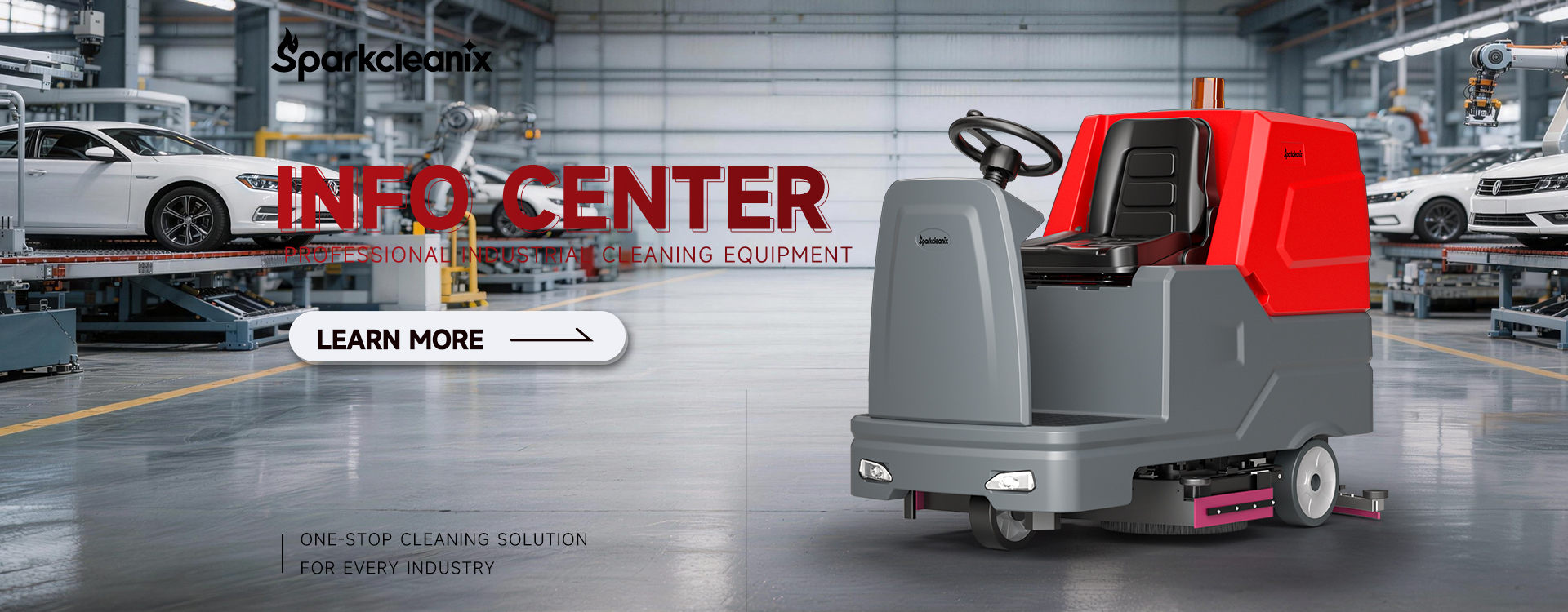
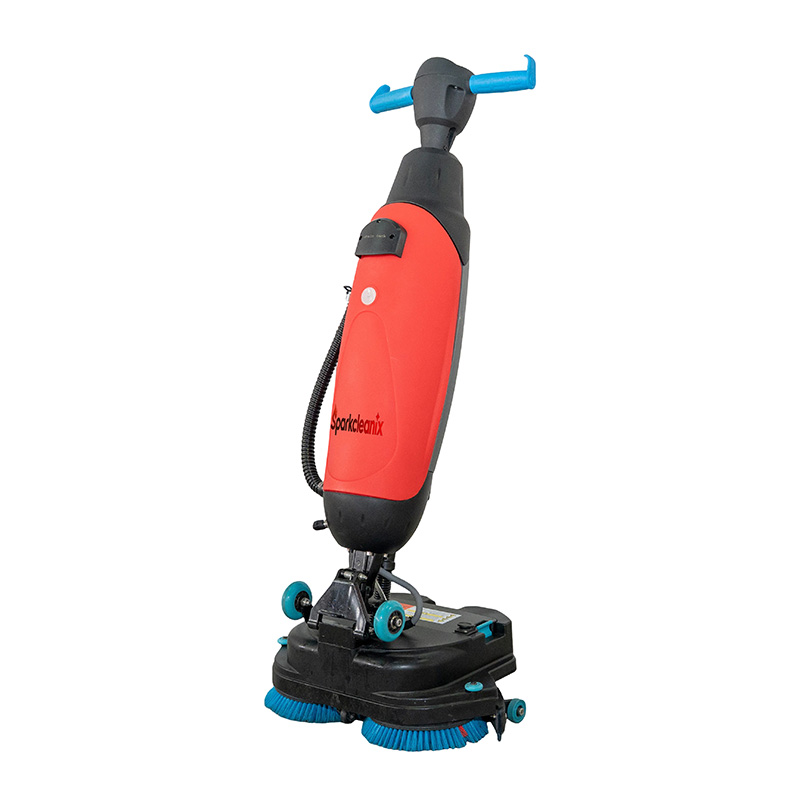
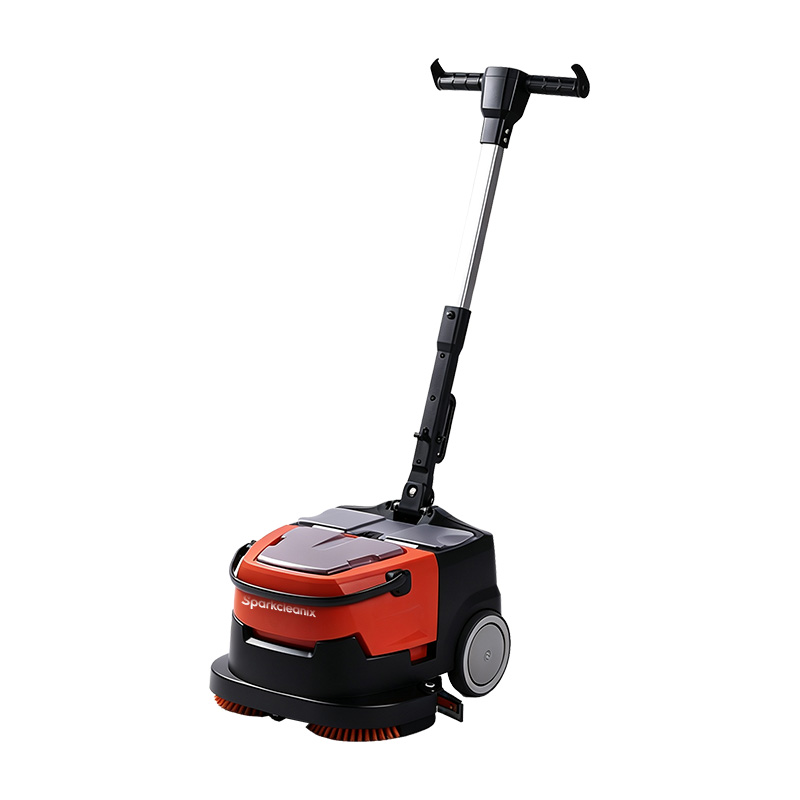
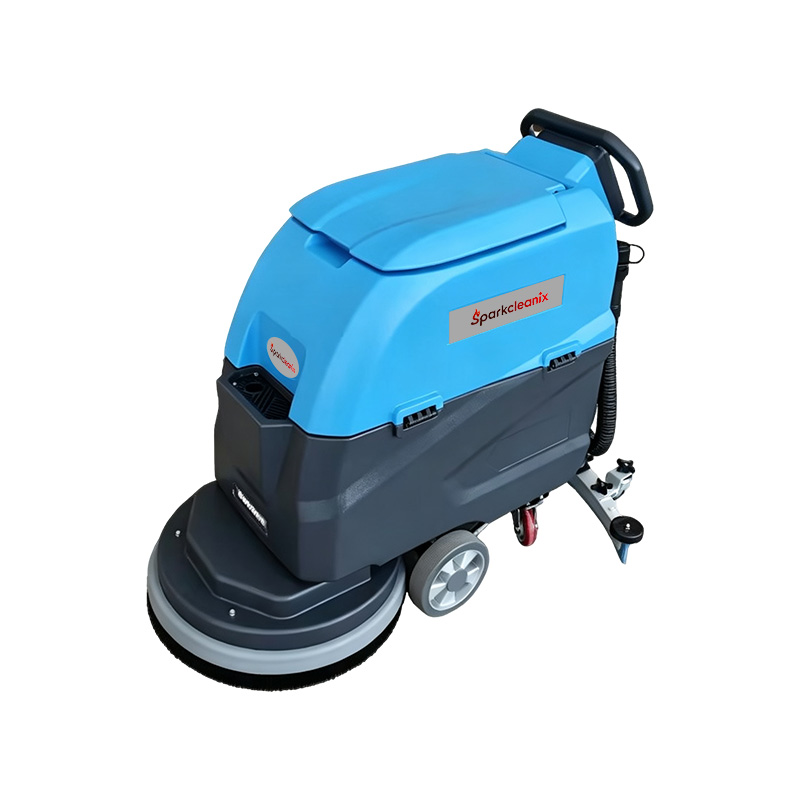
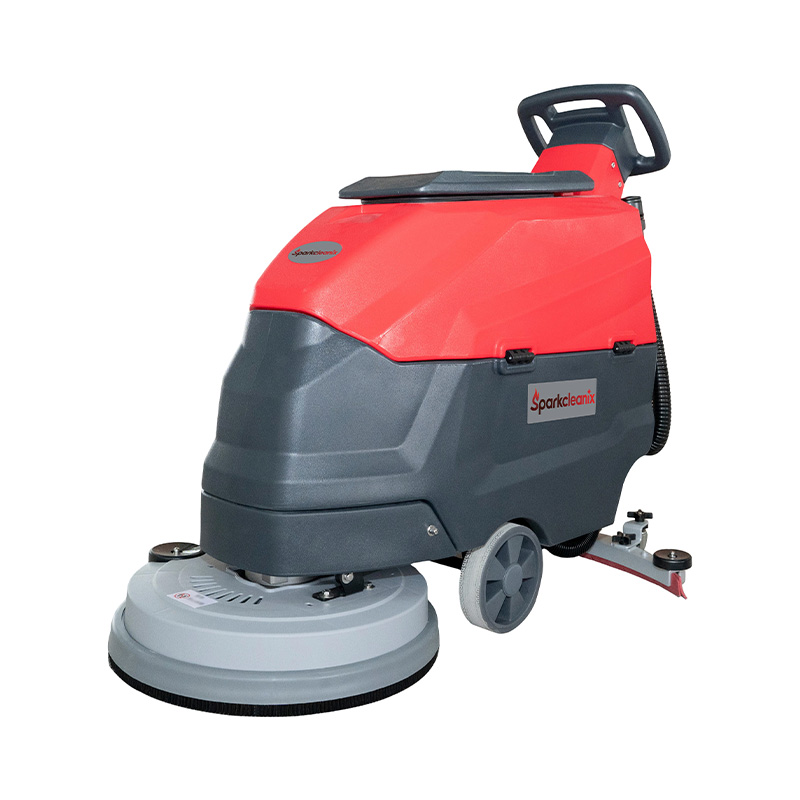
Against the backdrop of carbon peaking, carbon neutrality goals, and green manufacturing, cleaning equipment for large spaces such as factories, warehouses, and parking lots is undergoing a profound energy transformation. Traditional fuel-powered industrial sweepers, while powerful, suffer from exhaust emissions, high noise levels, and significant energy consumption. Today, a new generation of new‑energy industrial sweepers – built around lithium batteries, high‑efficiency motors, and intelligent energy management – has become the mainstream choice in the cleaning industry.
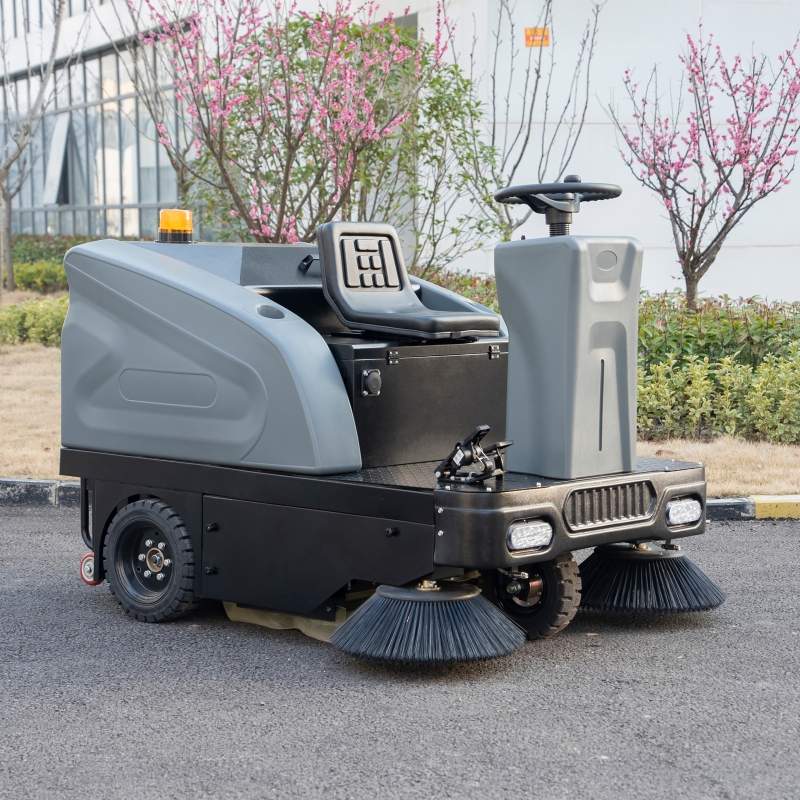
1. From Fuel to Electric: Zero Emissions, Quieter Operation
New‑energy industrial sweepers have completely abandoned internal combustion engines in favor of pure electric drive. They produce zero tailpipe emissions – no carbon monoxide, nitrogen oxides, or other harmful substances – making them particularly suitable for indoor environments with strict air quality requirements, such as workshops, food processing plants, and pharmaceutical warehouses. At the same time, the electric system significantly reduces operating noise, allowing cleaning work to be carried out at night or in noise‑sensitive areas without disturbing normal production or daily activities.
2. Lithium Battery Technology: High Energy Density, Fast Charging, Long Life
Many older electric sweepers used lead‑acid batteries, which suffer from heavy weight, slow charging, short lifespan, and frequent maintenance. The new generation of new‑energy sweepers is generally equipped with lithium iron phosphate (LFP) or ternary lithium batteries, offering three major advantages:
-
High energy density – longer runtime for the same volume; a single charge can support 4–8 hours of continuous work, easily covering large cleaning areas.
-
Fast charging – fully charged in 1.5–3 hours, supports opportunity charging, and has no memory effect.
-
Long cycle life – over 2,000 charge/discharge cycles, resulting in a much lower total cost of ownership than lead‑acid batteries.
3. High‑Efficiency Motors and Energy Recovery – Every Watt Used Wisely
New‑energy industrial sweepers use brushless DC motors to drive the main brush, side brushes, and suction system. Compared with traditional brushed motors, brushless motors offer 20–30% higher efficiency, lower failure rates, and simpler maintenance. Some high‑end models also feature regenerative braking – when going downhill or decelerating, the motor acts as a generator, feeding kinetic energy back to the battery and further extending runtime.
4. Solar Charging and Intelligent Management – Making Cleaning Greener
In sunny factory areas or outdoor parking lots, some new‑energy sweepers can be used with solar charging stations. Photovoltaic panels supplement the battery with solar energy, enabling partial or even full self‑generated power. Together with IoT‑based management systems, operators can monitor battery status, cleaning routes, and energy consumption in real time, and schedule charging during off‑peak night hours – reducing electricity costs while easing grid stress during peak periods.
5. An Essential Element for Green Factories
For companies applying for “Green Factory” or “Zero‑Carbon Factory” certification, adopting new‑energy industrial sweepers is not just about improving cleaning efficiency – it is a direct reflection of ESG (Environmental, Social, and Governance) performance. It reduces fossil fuel consumption, lowers carbon emissions, and creates a healthier, quieter working environment for employees.
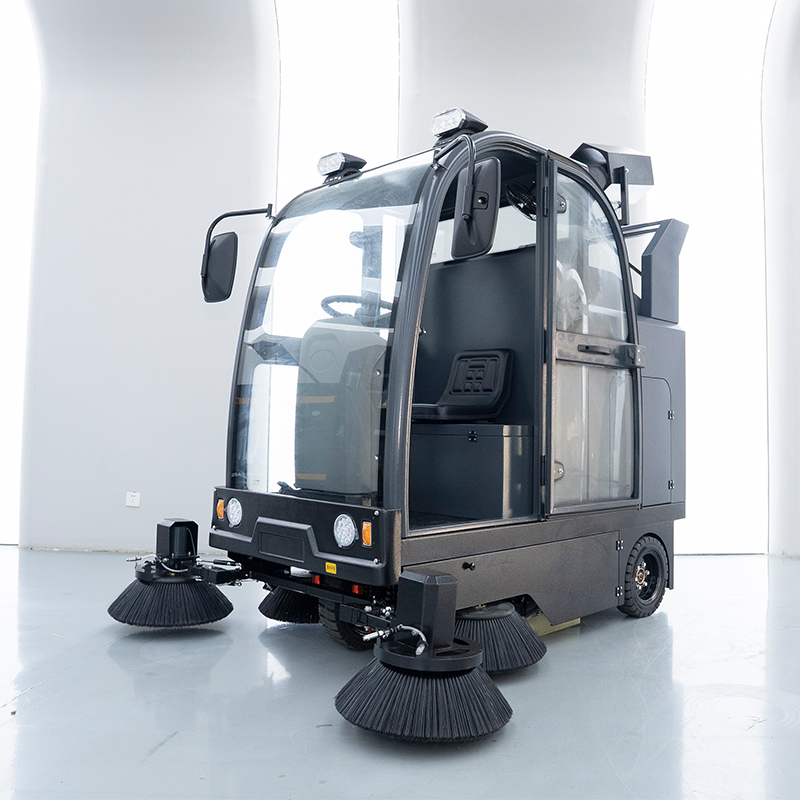
In summary, when viewed from the new‑energy perspective, the industrial sweeper is no longer just a cleaning machine – it is an intelligent, eco‑friendly tool that helps enterprises achieve sustainable development, reduce costs, and improve efficiency. Choosing a new‑energy industrial sweeper means choosing a cleaner, quieter, and lower‑carbon future.